
Walking a city as a method, not a fallback
Most historic city cores are smaller than they feel: a practical guide to knowing a city on foot in three days, with the distances and the rules of the practice.
The practice of moving slowly: overland routes by train, bus and ferry, month-long rentals and the paperwork behind them, walking or cycling between towns, and the arithmetic of time against airfare. Guides include timetables, costs and the visa limits shaping a long stay. For travelers trading speed for attention.
Traveling at ground level.
Most historic city cores are smaller than they feel: a practical guide to knowing a city on foot in three days, with the distances and the rules of the practice.
Thirty days in a single city is the workhorse of slow travel — and it runs on a structure: settle, repeat, range out, belong for a moment.
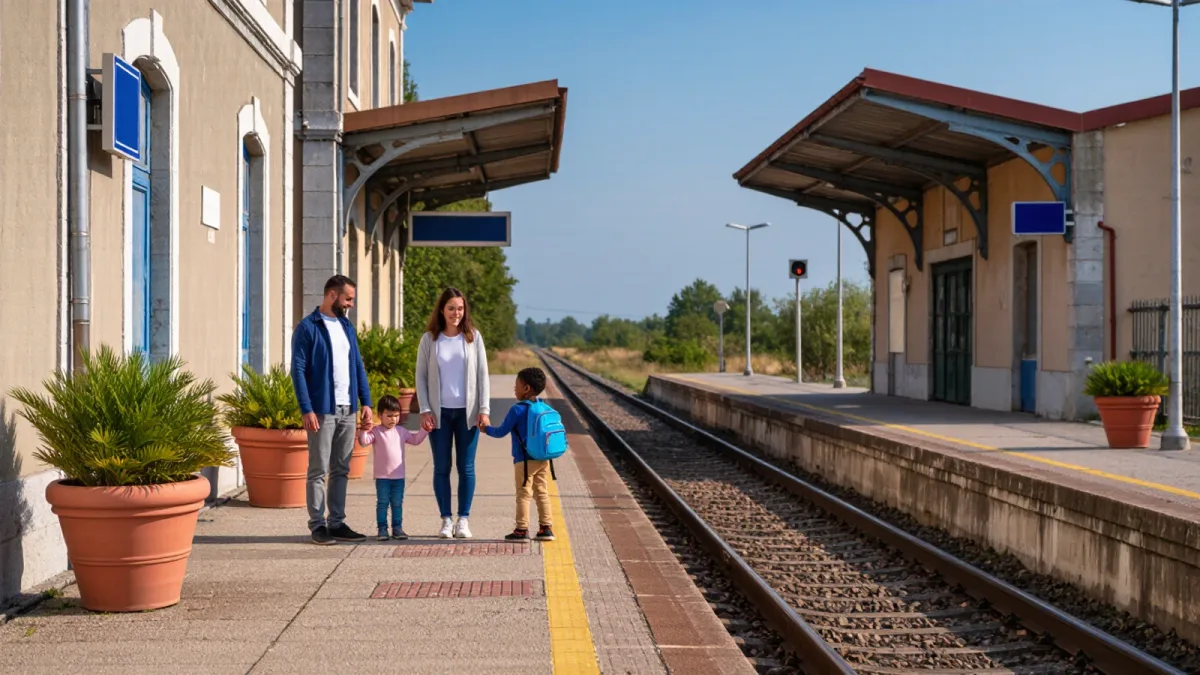
One base, one activity a day, a kitchen and a flat rate: the mechanics of traveling slowly with kids, and why the arithmetic favors it.
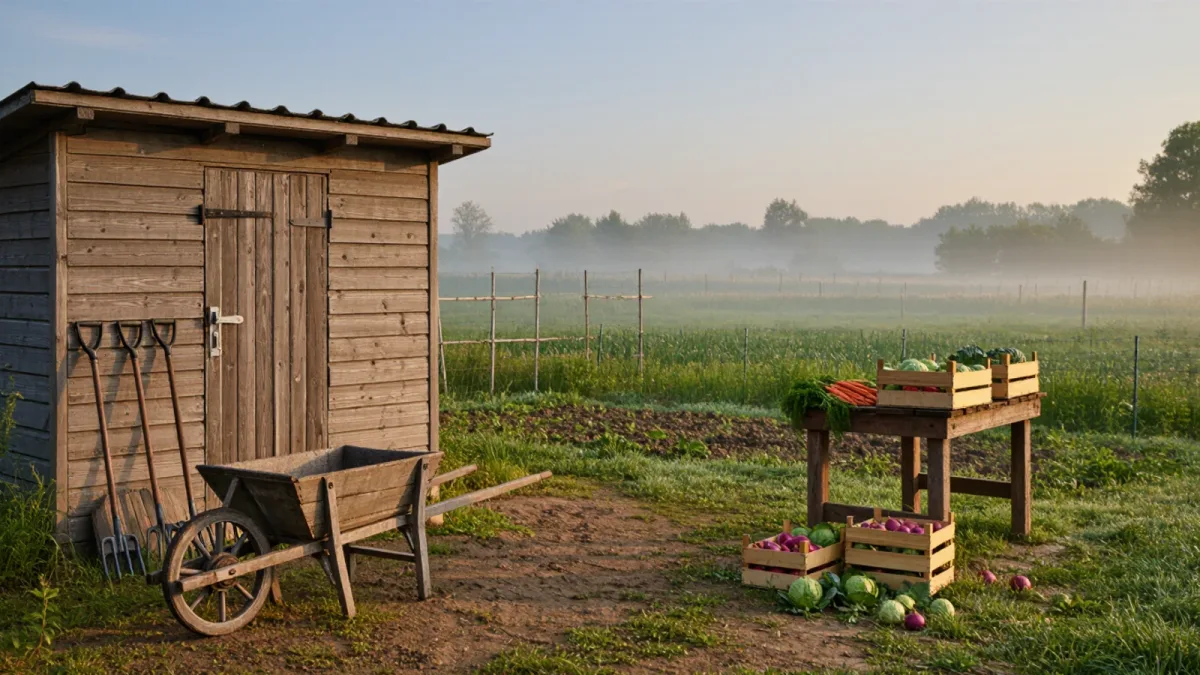
Workaway, WWOOF and the volunteer-host model: a few hours of honest labor a day traded for bed and board — mechanics, legality and failure modes.

The mechanics of living in someone else's home for free — what the platforms require, what hosts expect, and where the arrangement breaks.
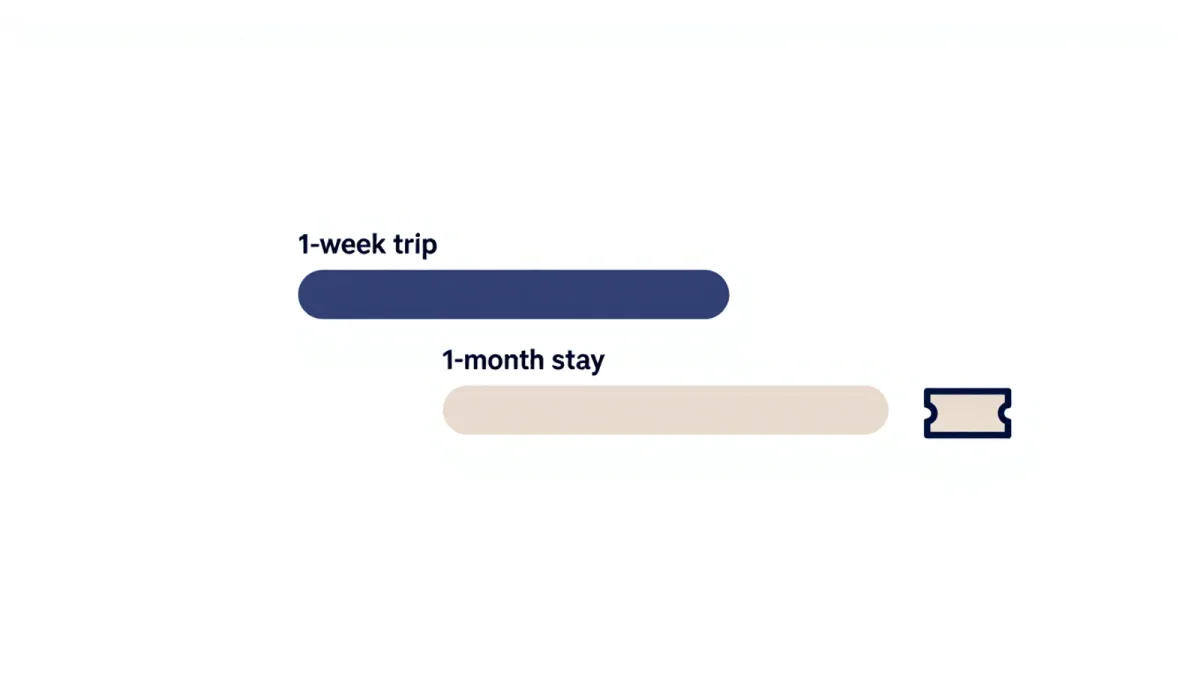
Run the numbers per week instead of per trip and the slow option stops looking like a luxury — accommodation, transport and food all step down a price tier.