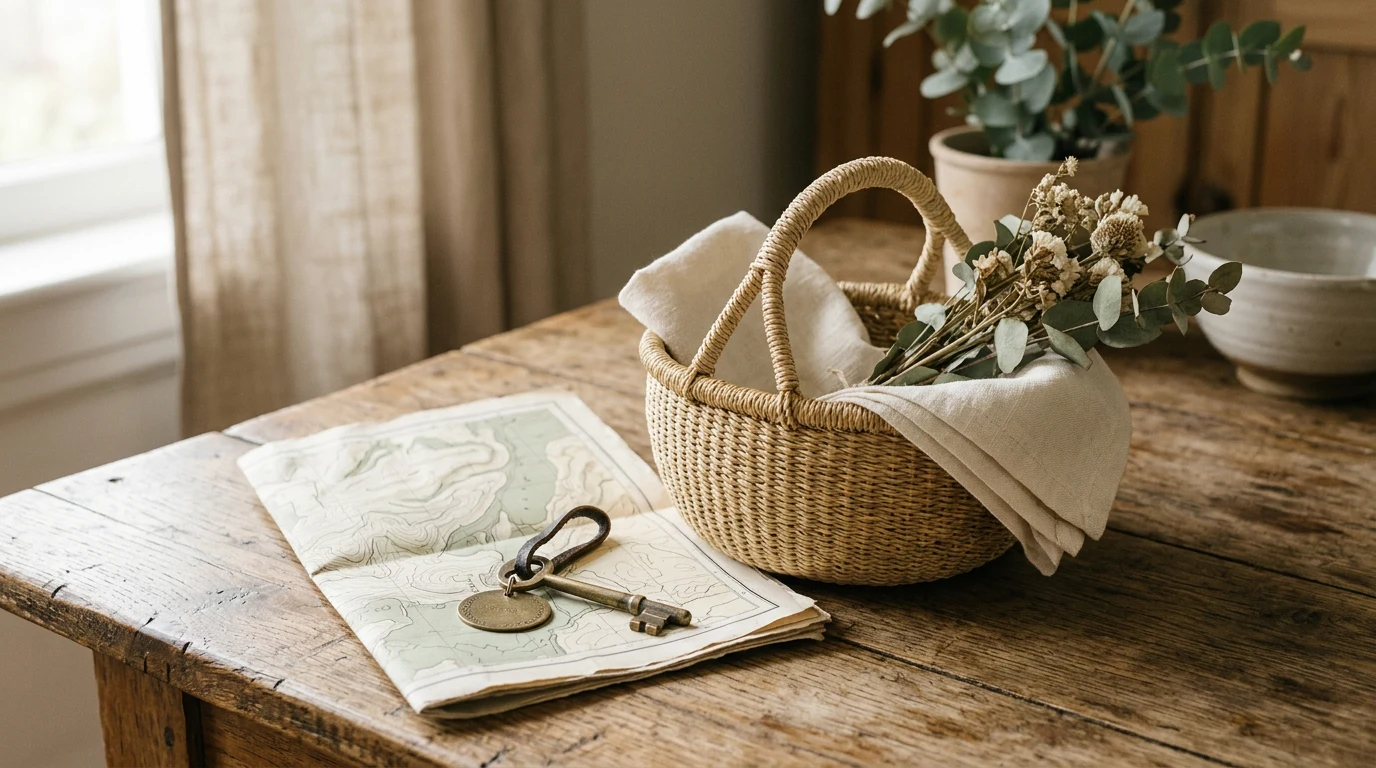
How to stay a week in one place
Slow travel means basing in one town for a week instead of moving nightly — and the practice's documented rewards, from lower transport emissions to what regulars at a café learn, all follow from that single decision.
The practice of moving slowly: overland routes by train, bus and ferry, month-long rentals and the paperwork behind them, walking or cycling between towns, and the arithmetic of time against airfare. Guides include timetables, costs and the visa limits shaping a long stay. For travelers trading speed for attention.
Traveling at ground level: sleeper trains and ferries, month-long rentals, walking routes between towns, and what a slower itinerary costs against flying.
Slow travel means basing in one town for a week instead of moving nightly — and the practice's documented rewards, from lower transport emissions to what regulars at a café learn, all follow from that single decision.
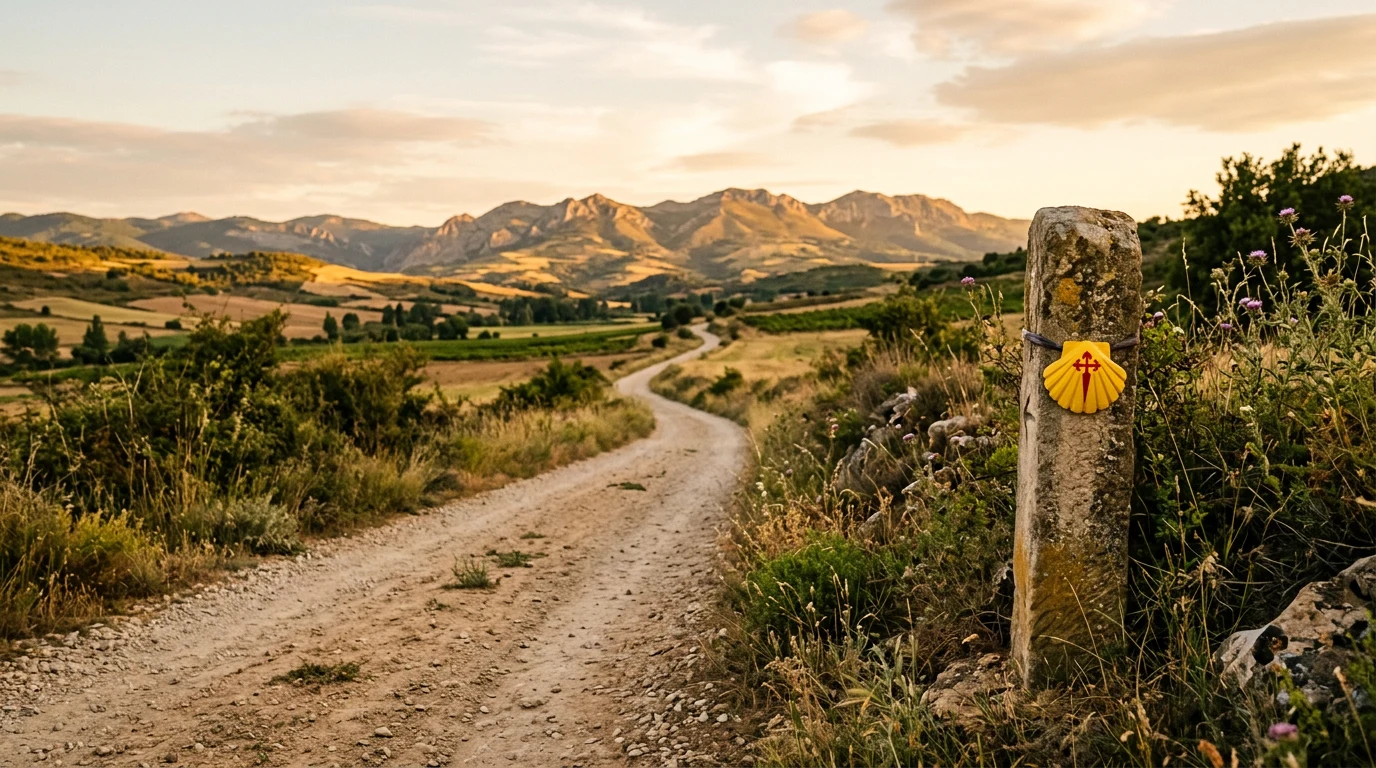
The eighty-eight-temple pilgrimage around Japan's smallest main island has outlasted the century of highways built around it, kept alive less by ritual than by the strangers who feed and house the walkers who attempt it.
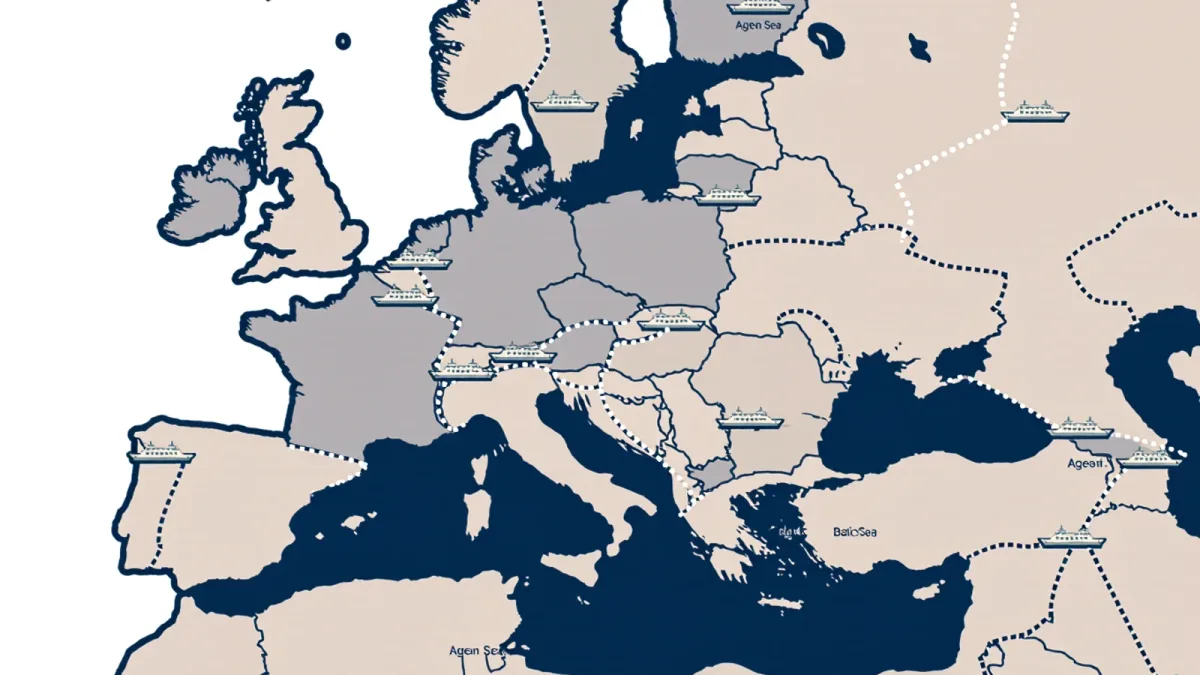
From Greek island schedules to Baltic overnight cabins: how to build a slow journey on the continent's ferry networks, and why the pace suits them.
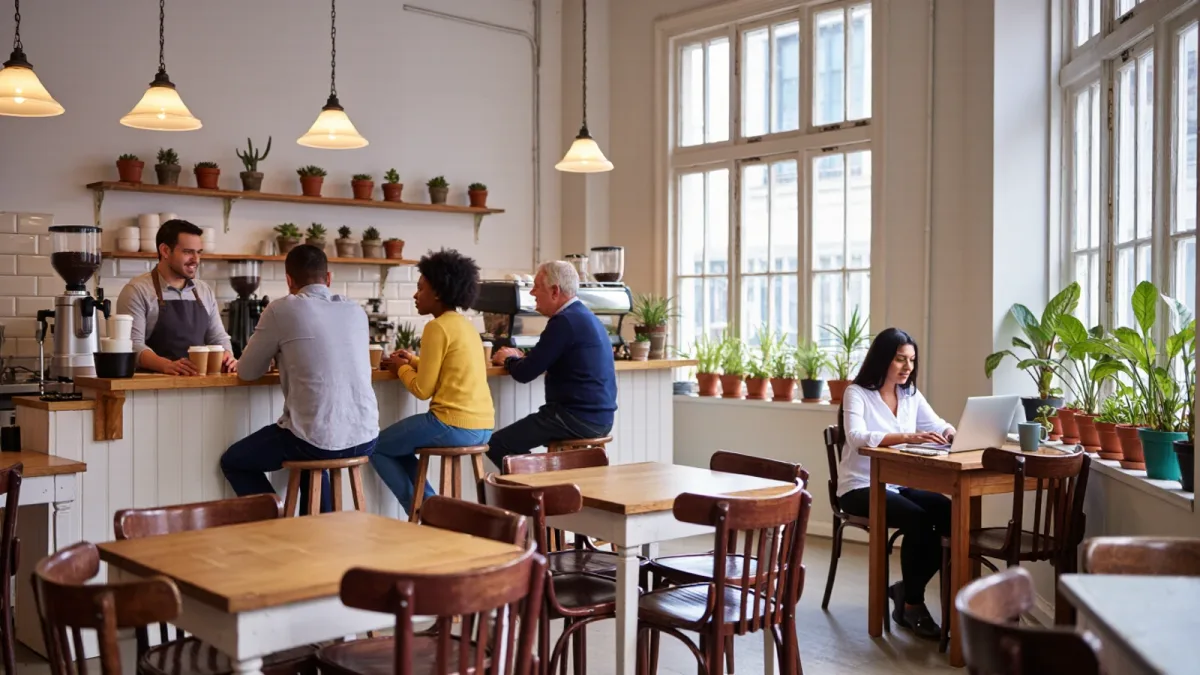
The digital nomad circuit optimizes for novelty and loses everything that accumulates with time. The slow alternative runs on six months, not six weeks.
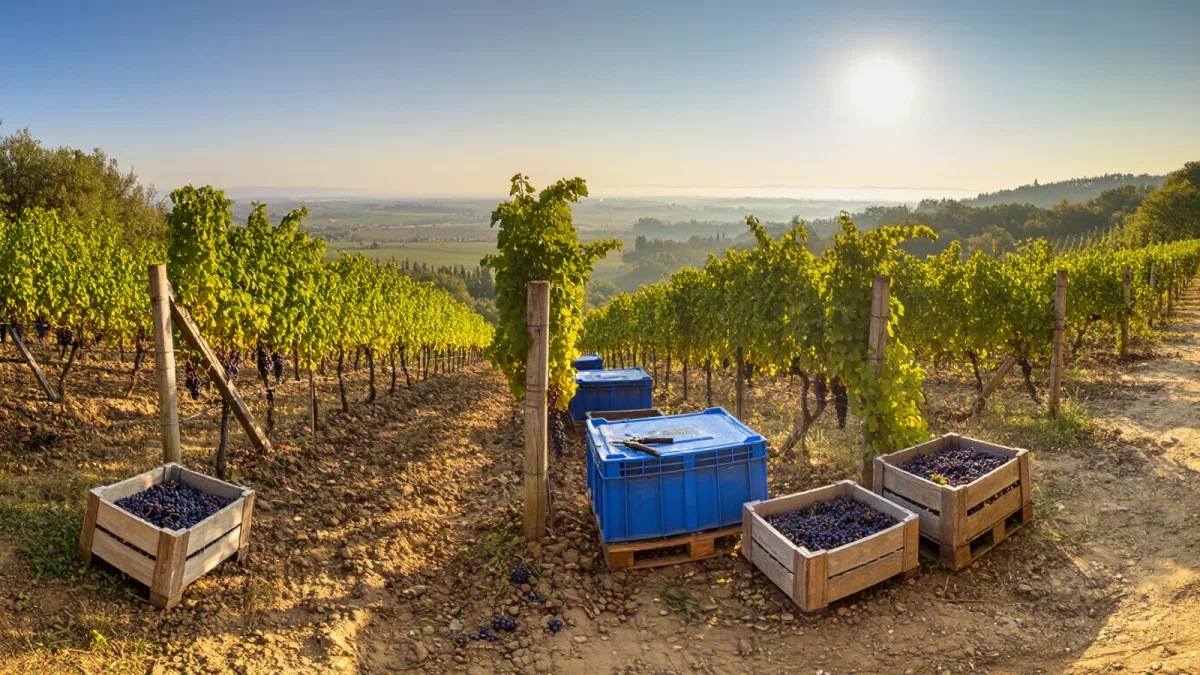
Harvests, ski seasons and summer resorts run on travelers who arrive with a season's contract — the structure, the visas and the honest economics.

Most historic city cores are smaller than they feel: a practical guide to knowing a city on foot in three days, with the distances and the rules of the practice.
Thirty days in a single city is the workhorse of slow travel — and it runs on a structure: settle, repeat, range out, belong for a moment.
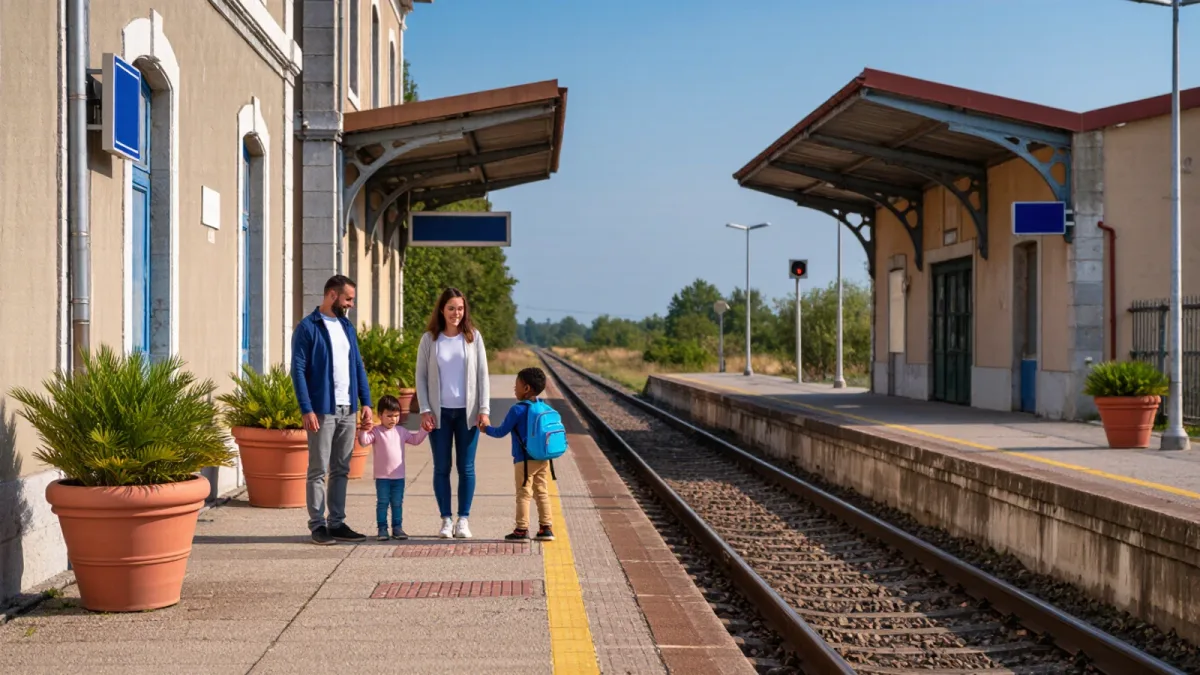
One base, one activity a day, a kitchen and a flat rate: the mechanics of traveling slowly with kids, and why the arithmetic favors it.
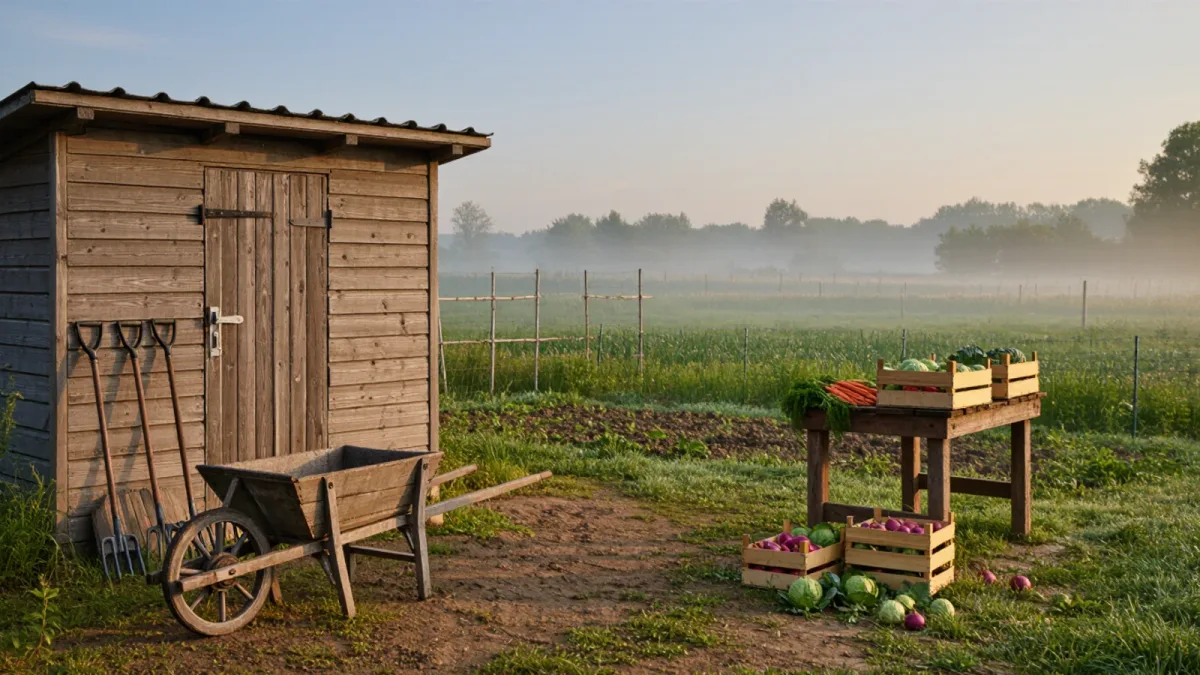
Workaway, WWOOF and the volunteer-host model: a few hours of honest labor a day traded for bed and board — mechanics, legality and failure modes.
The mechanics of living in someone else's home for free — what the platforms require, what hosts expect, and where the arrangement breaks.