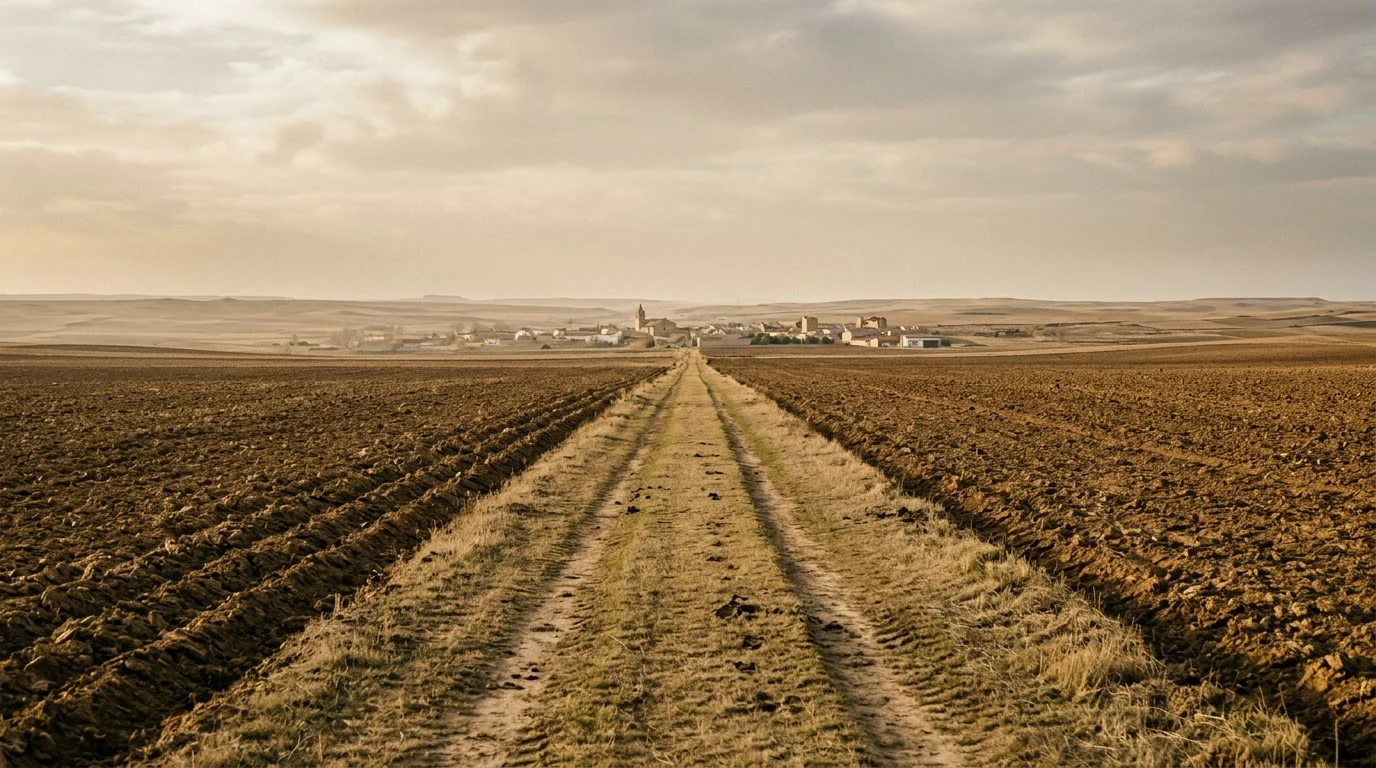
What Spain's drove roads still hold open
More than 125,000 kilometres of public ground, guaranteed by law for animals walking twice a year, and the seeds, plant genes and medieval tolls that travel with them.
Essays and first-person writing about place: returning somewhere after years away, the contradictions of being a visitor, borders and belonging, and the parts of a journey that resist a clean summary. Arguments are welcome and clearly attributed. For readers who take travel writing as literature rather than a booking aid.
Essays on returning to a place, the contradictions of being a visitor, borders and belonging, and the discomfort an itinerary usually edits out.
More than 125,000 kilometres of public ground, guaranteed by law for animals walking twice a year, and the seeds, plant genes and medieval tolls that travel with them.
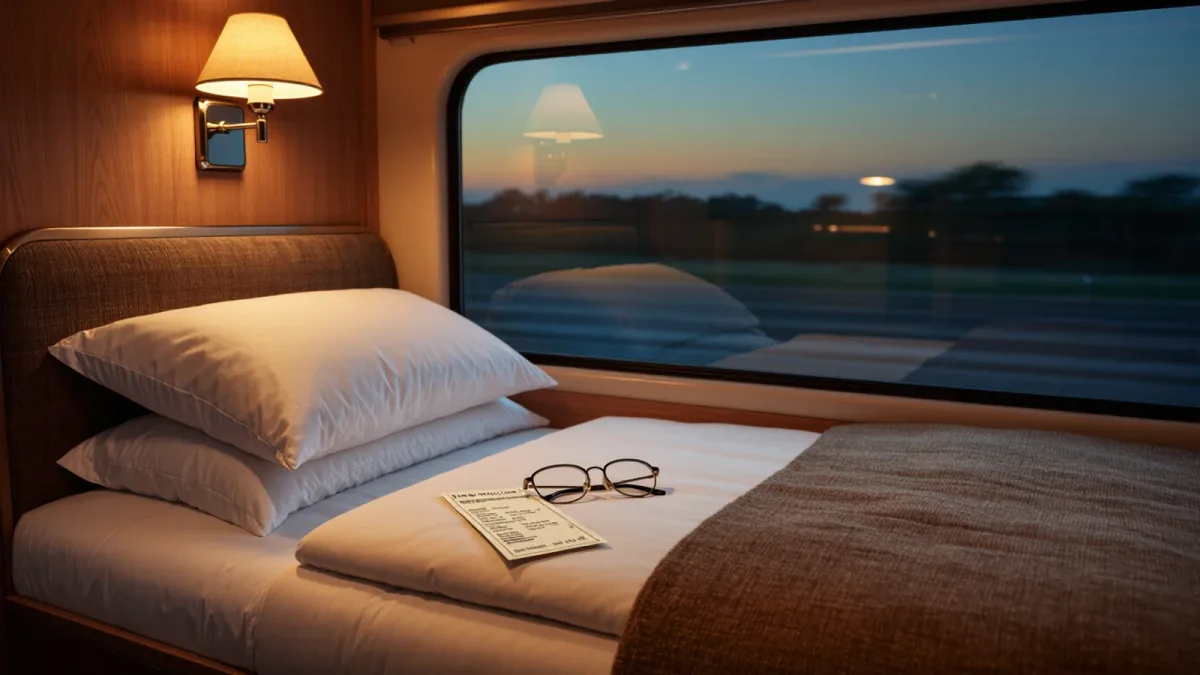
A century and a half of departures at dusk has produced a literature and a logic of its own — and the night train's revival is really a revival of a way of arriving.
Shoulder-season travel is usually sold as a discount. The better argument is descriptive: the weeks on either side of high season are when a destination's ordinary life is audible.
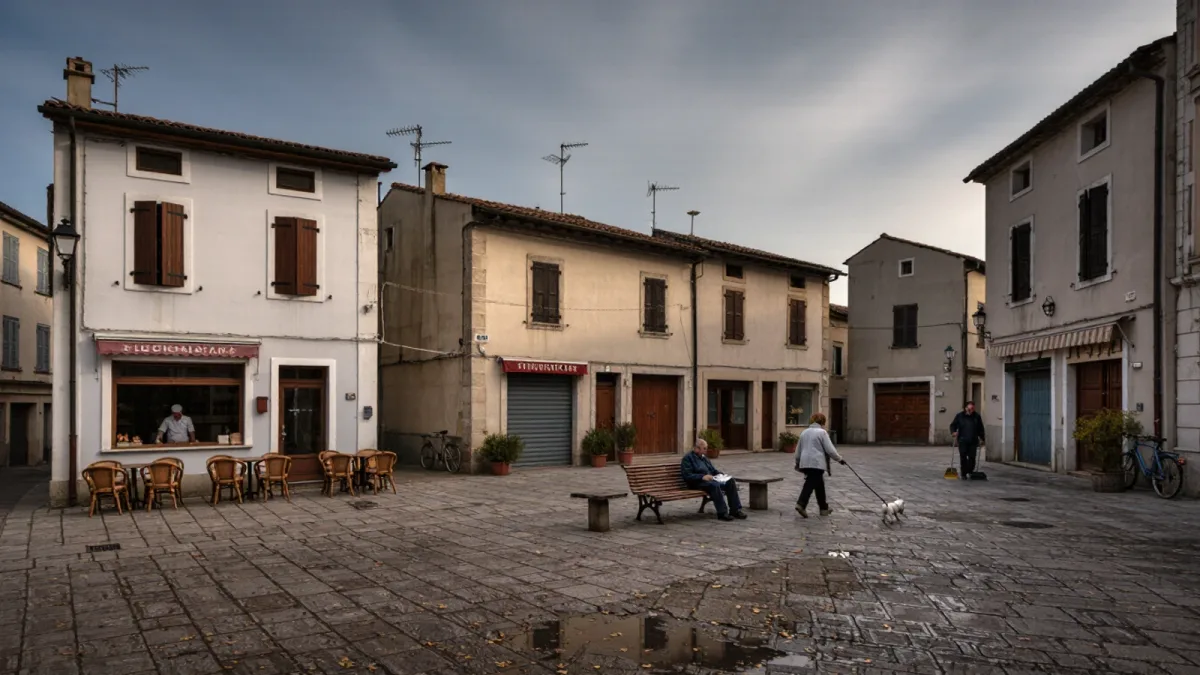
Travel ranks cities by their monuments. Georges Perec spent a week cataloguing a plain Paris square; the exercise reveals what the ranking hides.
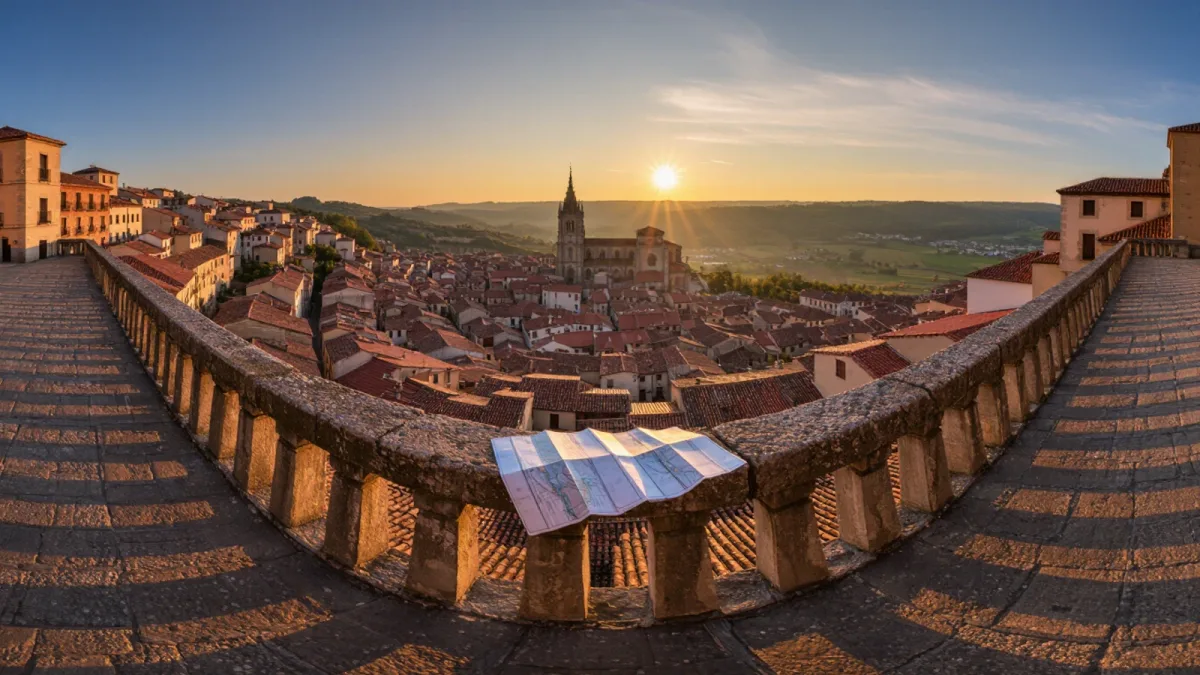
The tourist/traveler distinction has been policed for two centuries. The scholarship says it was never a real difference — only a way of paying oneself in status.
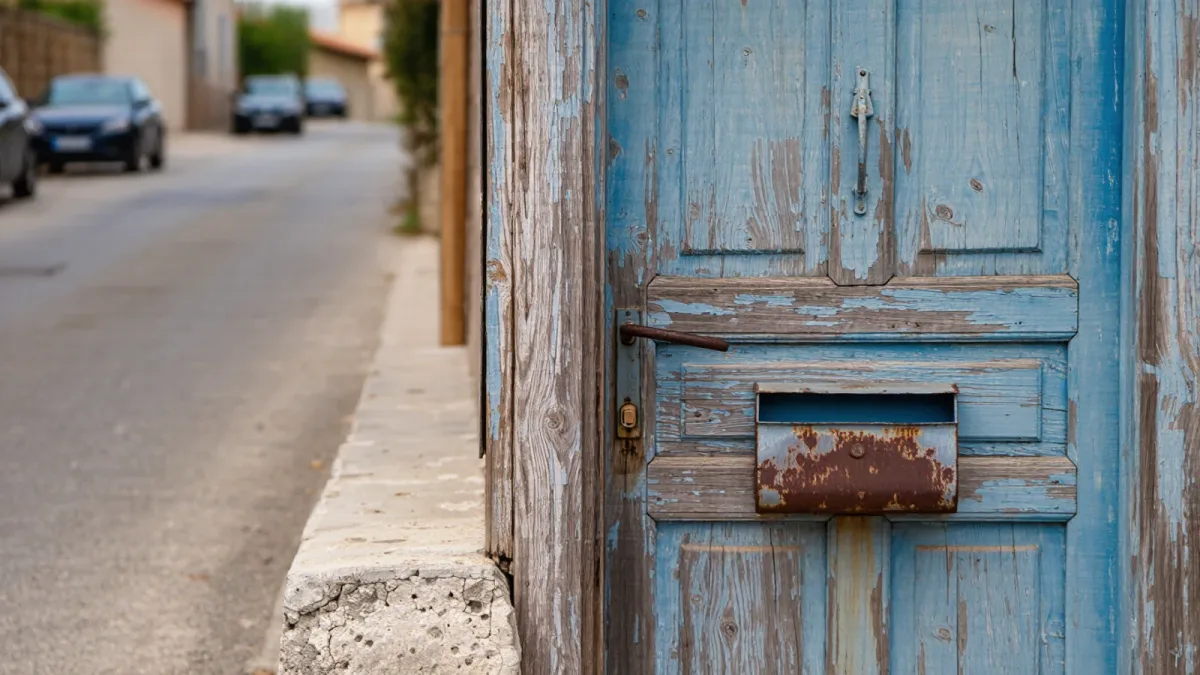
Returning to a childhood place is travel with the coordinates inverted — the destination knows you, and it has not been waiting.
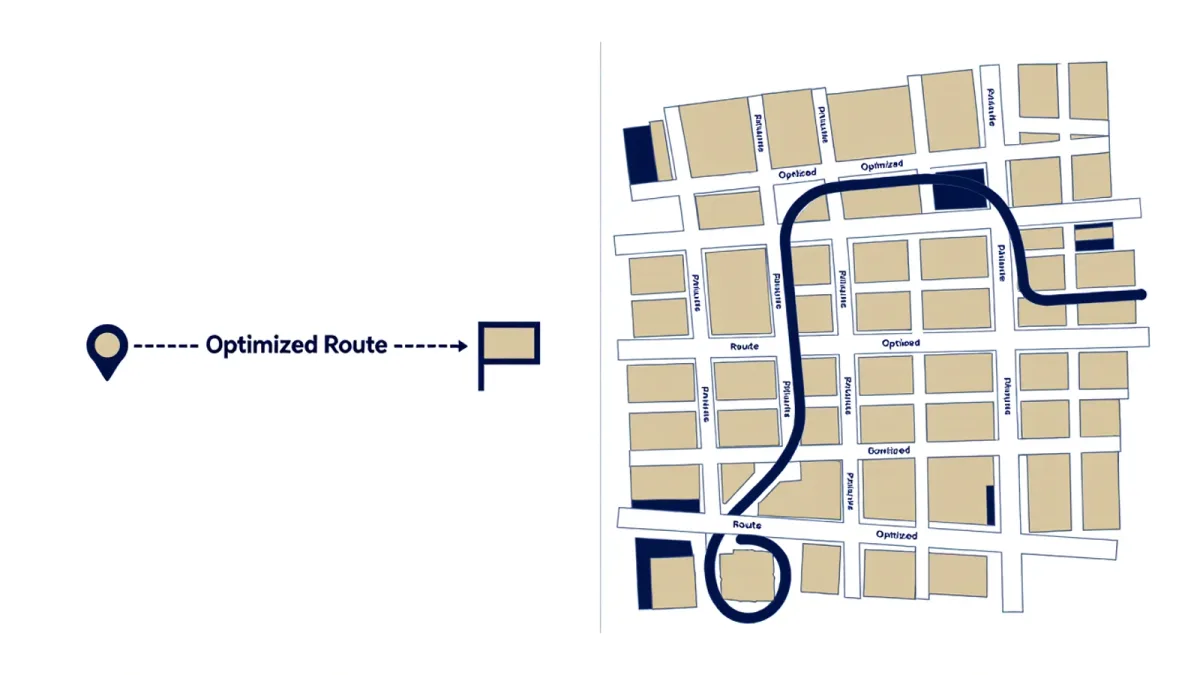
Navigation research, a 1960 classic of urban design and the blue dot on the phone all agree: the map and the walk build two different cities in the head.
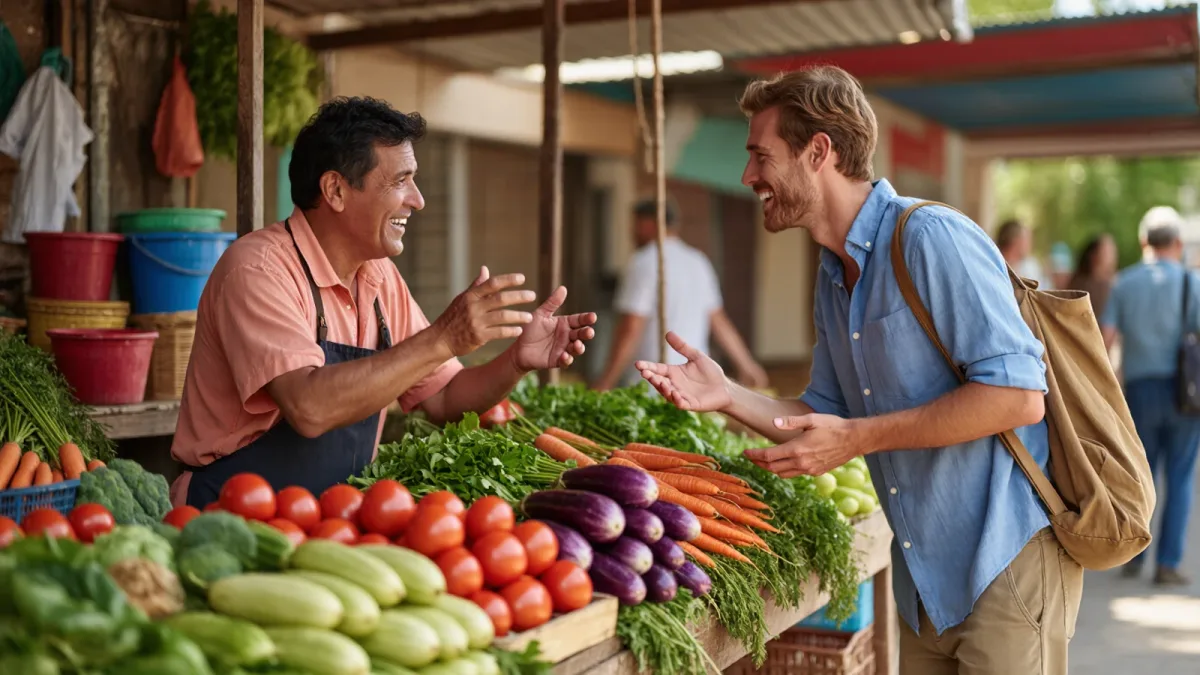
Travelers treat not speaking the language as a problem to be engineered away. The evidence — linguistic and psychological — suggests it is one of the journey's last protections.
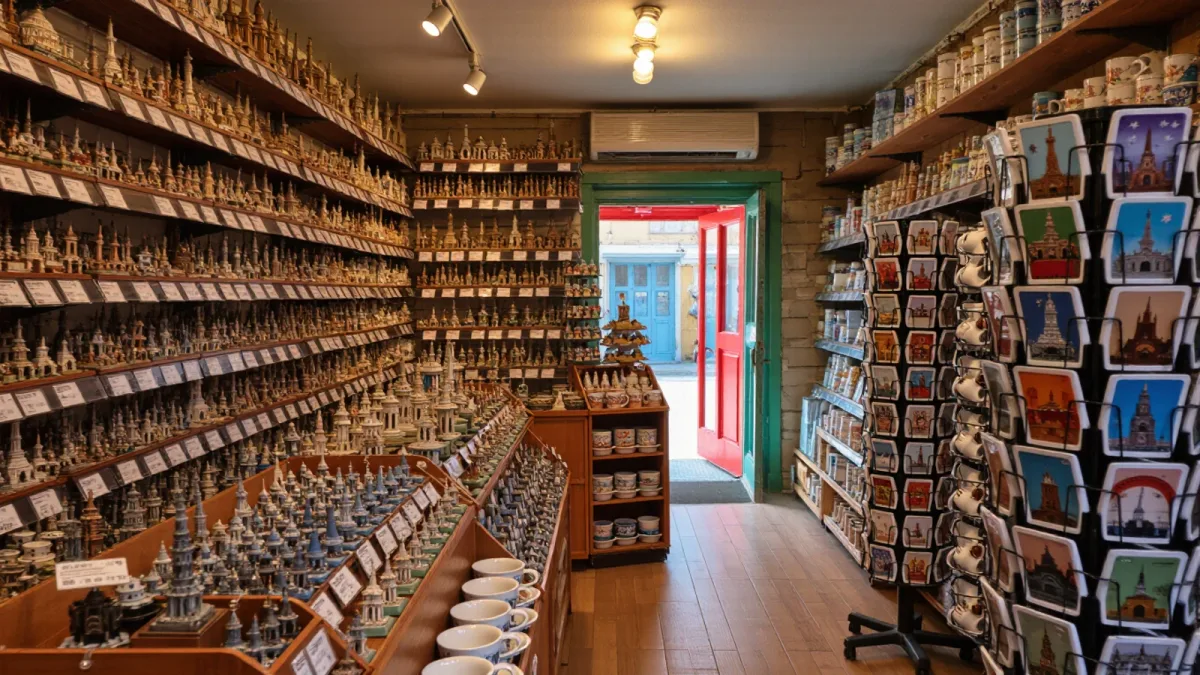
The souvenir industry sells objects; travelers buy memory. The mismatch explains nearly everything on the gift-shop shelf.
Marc Augé called places like this non-places: spaces you pass through without inhabiting. The airport is the purest case — and travel through it deserves a harder look.